lundi 20 février 2012

Dog Care For Beginners

Our dogs give us time and affection like no other. It is our duty and obligation to provide for these animals with as much love and care. And since different breeds have different needs and personalities, dog care can be tough to master. Upon owning a dog, you will have to learn basic dog care. This means, as the proud owner of a canine, you now have to feed, bathe and train your pet. Here a few dog care tips you should know.


1. Get your dog a collar and an ID tag with your name, address and telephone number written on it. It will make identification of your dog easier and will have a higher possibility of being returned to you.

 2. Check for dog license in your area. If your community requires a dog license, you best get Fido one too.

3. Have your pet visit the veterinarian for his physical check-up. Dog care is making sure your pet is in good health. If there are any concerns, the dog can be treated immediately.

 4. Dog care requires tough love. Have your pet vaccinated.

 5. Proving dog care requires a good shelter. You can build him a doghouse for when he goes outside to play and a doggie bed when he's inside the house. Dogs are very clingy creatures and crave for companionship so they may spend more time inside the house.

 6. Food in dog care is essential. A balanced diet with vitamin supplements and readily available water is essential to any dog regime. Ask your vet about the proper foods.

 7. Dog hygiene is an essential part of dog care. The eyes, ears and teeth of your pet must be cleaned. At the first sign of abnormalities like soreness or discoloration, go to your veterinarian.

 8. Train your dogs. Dog care is not only physical. As the owner, you are responsible for your dog mentally too. Dogs need a stimulating activity to develop their skills and keep disciplined.

9. Play with your pets. Dog care requires exercise for the pooch. Run with him, play ball or just spend your time with him.

10. Have your dog neutered. Dog care experts say that those animals that get surgery tend to have less behavioral problems and live longer. And by getting your dog neutered, you can help reduce pet overpopulation.

 Dog care can be very demanding but its beneficial for the owner and pet. A healthy well-being will make their time together as great as possible. Just like taking care of a child, following your dog care routine will prevent any problems in the future. More and more businesses are realizing the increasing industry of dog care. Go to your favorite store and you'll see a variety of dog care products available to dog owners. The latest craze to hit this industry is institutions that cater to dogs. These are hotels or restaurants that offers dog care service from their own doggie menu, to a daycare for dogs and even a doggie spa. Whether you choose a professional dog care institution to take care of your baby or just skip the extravagance and train poochie yourself, remember that your dog is another living creature that needs your love, time and attention. It may seem so tiring but it's worth it in the end.

Dog Hair Care

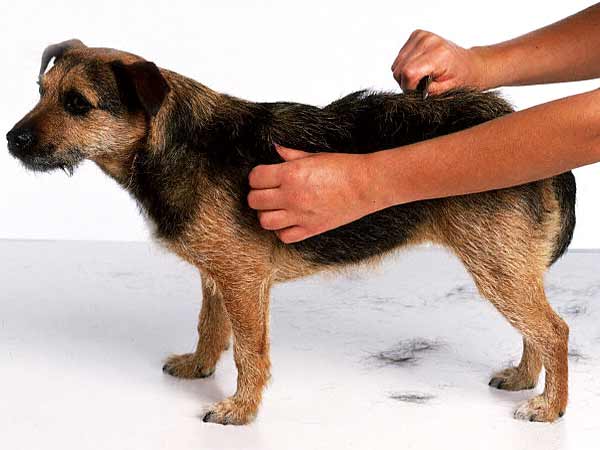
A dog is one of the favorite pets that people love to have in their homes. Families that keep dogs, often treat them as a member of their family. A dog's hair is an important factor that has to be given regular attention, as it enhances their beauty. A dog's hair should be kept clean to avoid being infected with diseases. Different breeds of dogs have different texture, color and length of hair and have to be given appropriate attention accordingly.


Hair loss in dogs can occur for many reasons. A thorough veterinary examination is necessary to find the cause. Dogs lose hair because of excessive scratching, brittle hair that falls off and sometimes for no reason at all. There is also an endocrine gland disease that can account for hair loses in dogs.
Different breeds have different needs in terms of the number of times they require bathing and with what type of pet shampoo. If a dog spends a lot of time outdoors, chances are it will require more baths using a flea protection shampoo. A veterinarian-approved dog shampoo should be used because it reduces allergic reactions. The other requirements for dog hair care are mineral oil for hair massage, cotton balls to clean areas around eyes, washcloth or sponge and towels.

When a flea bites a dog, a small amount of saliva is injected into the skin, which prevents blood coagulation. A number of dogs become sensitized to this saliva. In highly allergic dogs, the bite of a flea can cause severe itching and scratching. Fleas cause the most common skin disease of dogs - flea allergy dermatitis.
After bathing a dog, tick powder should be evenly applied on the coat and brushed with a soft brush all over. It is essential that a pet dog be seen by a good veterinarian regularly to check the hair and skin, as well as receive necessary vaccinations.
Some breeds, especially longhair breeds, require more bathing than shorthair breeds like German Shepherds. Dogs with smooth coats generally require fewer baths. Too much bathing will remove vital oils from a dog's coat, causing the skin to dry out. Unless the dog is dirty, regular grooming can reduce the number of bathes required

Dog Care Tips for a Healthy Happy Dog
Our pets are important members of our family and bring such joy and blessings into our lives. Bringing a dog into your home means that you agree to provide for its physical and emotional needs. They deserve as much care, affection and attention as any other family member.

Dog health problems - unfortunately, our pets are falling victim to many of the same ills as we are - heart disease, obesity, diabetes and for the same reasons - lack of exercise, poor diet and overeating.

Dog Care Tips #1 - Ways We Can Provide the Best Dog Diet for Health and Weight Control 

1. Maintain optimum weight - daily exercise burns calories to help with weight control. To check your buddy for excess weight you should be able to easily find the backbone underneath his coat. Your dog is under weight if you are able to see the ribcage. If you feel your dog has a weight problem that you have not been able to control successfully, see your vet for recommendations and an objective assessment.
2. Mental Health - fresh air, new activities, dog training, lots of love and attention, a variety of toys and stimulation will contribute to your dog's mental well being.
3. Supply a proper diet - natural and organic are all the buzz these day as more and more
dog owners are becoming aware of good wholesome food for their pets. Whole food with appropriate amounts of fresh veggies, fruit and meat or fish for vitality will provide a longer healthier life for your dog. Read the labels to determine if the food is nutritionally adequate for your best friend. Many commercially available dog foods will claim to be natural but contains rendered meat, animal byproducts and slaugherhouse scraps. This could mean animal heads, feet, brain, spinal tissue and internal organs. Look for pet food that does not contain animal byproducts, poultry, recycled or rendered meat, fat or sugar. The first ingredient should be meat, fish or chicken. Beyond that look for grains, vegetables, fruit, probiotics and other nutritional food that aid in providing your dog with optimum health. You also do not want chemical preservatives (natural preservatives such as mixed tocopherols and vitamin C are ok), hormones, food dyes, antibiotic fed protein sources. If the label does not state that it does not contain these additives, assume it does.
Many Veterinarians recommend fish oils for a shiny coat, skin conditions and other diseases such as heart, kidney and anti-inflammatory conditions. Check with your vet about supplementation for your dog.
Dog care tips for feeding your pet treats and snacks - try raw fruits and vegetables.

Dog Care Tips #2 - Food Items That Your Dog Should not Eat
Chocolate - it contains theobromine which comes from the same family as caffeine. Some dogs are highly sensitive to it. If your dog manages to steal a small piece of chocolate it will most likely not have an adverse effect but in large amounts it can be toxic. Symptoms of toxic reaction include increased heart rate, hyper-excitability, vomiting and diarrhea - in which case call your vet.
Just to keep things in perspective, my toy poodle once consumed an entire box of chocolates on a raid of the Christmas tree during the night. She had nothing worse than a little diarrhea.
Grapes and Raisins - the APCC found that dogs who consumed these in "small or large" amounts developed
kidney failure. Symptoms are abdominal pain, diarrhea, lethargic and lack of appetite. If you suspect your pet has ingested a grape/grapes, treatment is needed immediately.

Dog Care Tips #3 - Dog Neutering and Spaying
If you do not plan to breed, have your dog spayed or neutered. It has health benefits for your buddy and will control the animal population. Approximately 8 millions unwanted animals end up in shelters and 4-5 million of those are euthanized each year.

Pets for Our Health and Well Being
Dogs can have a positive effect on people, particularly seniors. Studies have shown that pet owners are happier, healthier, less likely to be depressed, are more social and have lower blood pressure, than people who don't have a faithful companion.

Dog Care Checklist - 10 Ways to Care For Your Dog

Having a dog can be daunting. It is easy to get lost in the wave of tips and things to do from well-meaning friends. Caring for your dog does not have to be confusing. We make it simpler for you by giving you a checklist of must-do's to care for your dog.


1. Have your dog licensed. This includes vaccinating it for rabies and other steps or legal requirements that you can get from your veterinarian, animal shelter personnel and humane society.
2. Spay your dog.  Aside from controlling animal population and making sure that you do not have to deal with unwanted puppies, there are many benefits in neutering your dog. Spaying your dog can help it have a healthier and longer life. It also reduces behavioral problems, lessens the chance that it will bite people or run away.
3. Read up on dog health issues like feeding and nutrition, training, grooming and bathing. Arm yourself with information on how to properly care for your dog's health. Keep abreast with current news related to your dogs, like the recent melamine contamination in some dog foods. Educate yourself on how to keep your dog healthy and apply it.
4. Have your dog regularly checked up by the veterinarian.  You must choose your vet carefully by making sure that he or she does not only have the credentials and capabilities to care for your dog, but also the facilities and personality to carry out the work.
5. Keep your dog under control at all times. This means that you would need to have it on leash outside your home, especially when you are not looking.
6. Give your dog a balanced and nutritious pet food, and lots of fresh water.
7. Make sure your dog gets enough exercise. Physical fitness is one of the benchmarks of a healthy dog. Walk it, play with it, and take it jogging. Ensure, however, that you do not over exert your pet.
8. Fit your dog with a dog collar and dog ID tag. Put its name, your name, address and other contact details on the tag. This will help anybody who finds your dog return it to you in case you lose it.
9. Train your dog. If you can not, look for professional trainers to do it for you. A good training helps control your dog's behavior. It also gives you a great opportunity to bond with your pet.
10. Proper shelter is a must for caring for your dog. Provide an area inside the house where your dog can roam free, stay in, rest and spend time with the family. If you have an extra room, you can set it up for your pet. For larger dogs, you can have a doghouse outside your house for it, but make sure it gets to spend bonding moments with the family.

The Difference Between Boarding Kennels and Dog Home Boarding


What is the difference between home boarding and dog boarding kennels? Home boarding has become an increasingly popular new concept for caring pet owners. Many people do not like leaving their pet in the dog boarding kennels as they are scared their pets will be left alone, scared or cold. In fact it is very difficult sometimes to place your beloved dog or a puppy to a such unknown environment, also your pooch might not be used to other dogs which my scare him/her even more. Often people do not realise how scared their canine friends are of the kennels.
We must not forget that all this pets have been brought up in the homes and they are all, or most of them used to home, beds, toys, blankets and they are all used to having people around them with plenty of attention at all times. In the kennels they are separated and left alone. I'm not saying that all the dog kennels are bad out there but I'm only trying to point to the fact that pets themselves prefer dog home boarding as it is more to what they are used to. As a professional dog walker and pet sitter I get loads of clients choosing our dog home boarding services on a daily basis over dog boarding kennels. Many of our clients are pretty confused about boarding their precious four legged friend in the boarding kennels as they all had bad experience in the past. Their dogs were left alone for a long periods of time, were not fed properly and became unhappy.
Dog boarding kennels
  • Canines are confined to small pens
  • Not enough exercise
  • Pets don't get individual/personalized attention
  • Dogs are exposed to illness from other animals
  • Pets are cold, very often nervous
  • Dogs are not used to being left alone
  • Pets don't like boarding kennels
  • Pets are nervous and they are not relaxed
Dog home boarding
  • Home environment for your pet
  • They can play and exercise in the garden
  • Fully personalized service
  • Individual
  • Only two dogs are boarded at time so your dog gets all the attention he/she needs
  • Canines are exercised at least twice a day
  • Dogs are not exposed to illness from other animals
  • Dogs are in the home environment what they are used to
  • Dogs seems to be much happier
  • Normal diet is followed
  • Any special requirements and normal routine is followed
  • Pet owners are much happier with the service
  • Pets are calm and relaxed

Dog Eye Problems - Infection and Proper Eye Care

One of the more common problems plaguing dogs is getting an eye infection. Your dog's eyes are delicate organs and adequate attention should be paid to cleaning and caring for his eyes. Although lids, lashes and tears are natural forms of protection, they are sometimes not adequate against the dust and dirt that can get into your dog's eyes.
Dogs can be susceptible to conjunctivitis, a bacterial infection which affects the thin membrane covering the front of the eye called the conjunctiva. It causes redness and dryness in the eye or eyes. When your dog's eye is inflamed, it will tend to result in a thick exudate which clogs up the front of the eye and makes it difficult for your dog to open his eye. Treatment is very quick and effective and is usually cleared up with a short course of ointment which can be prescribed by your vet.
Although some dogs look cuter with longer fur, do bear in mind that if your dog's hair or fur is too long, it could potentially obscure his vision. You're well advised to keep it trimmed so that the ends do not blow into his eyes and cause damage or irritation. You should also be on the look out for dirt or foreign bodies that could have gotten into your dog's eyes so they can be removed as quickly as possible.
There are a number of diseases and conditions which can affect your dog's eyes - the main being cataracts. Cataracts are a condition in which there is a clouding of the lens and over time, the clouding grows more opaque. Over time, this could lead to total blindness in the affected eye. Glaucoma occurs when there is am increase in the pressure within the eye. When there are irritants or foreign bodies lodged in the eye tissues, the constant irritation can lead to corneal ulceration and a change in the surrounding tissues. Slight abnormality in physiology within the tear ducts may lead to epiphora, a chronic leaking in lachrymal fluid and you will observe that your dog is tearing frequently. With old age setting in, blindness is sometimes experienced by dogs because of gradual deterioration of the lens following development of cataracts.
Besides being alert to dirt that could irritate your dog's eyes on a daily basis, a thorough check on your dog's eyes should be incorporated into your routine when you do your weekly checkups on him. This will allow you to pick up any problems with his eyes as soon as possible. Making sure that his eyes are kept clean is the first step to good eye care. Clean the skin around the eyes gently with some threadless cotton wool dipped in warm water to remove mucus, dust and dirt. Swab the cotton wool away from the eye and not towards the eye to ensure you do not sweep dirt into your dog's eyes.
The more you can do to reduce the possibilities of infection and disease the happier and healthier your dog will be

In Home Pet Care - The Great Alternative to a Dog Boarding Kennel or Cattery

Are you planning a holiday or business trip and wondering who will look after your pets or where you should leave them? Have you considered in home pet care? It's a great alternative to using a boarding kennel or cattery and an option that your pets will thank you for. Discover why so many people are making this choice.
Going on holiday is an exciting time for the human family. Some of us look forward to relaxing while others enjoy the thrill of new experiences. We get to meet new people, see fascinating locations, try new and interesting foods and stay in variety of places. Or there are those that holiday at the same place every year because they feel comfortable and don't like a lot of change, some even preferring to stay at home and 'holiday 'because nothing beats the creature comforts of home. The latter is how our furry family members feel.
Our pets, particularly our dogs and cats, don't like change. In fact big changes tend to make them stress which has a whole gamut of effects on their mental and physical health. Cats and dogs like to be in familiar surrounds and follow their everyday routine and this is where the services of a professional in home pet care provider can help.
Placing your pets in a kennel or cattery is quite a daunting experience, similar to you going to live in a foreign country knowing no one or the language. Their senses our inundated with unfamiliar smells, sounds and sights which can be very unsettling. Our dogs and cats are also very social animals and need the company of humans on a regular basis which is an important element often not offered or available when staying at a kennel or cattery. Your pets are typically fed a totally different diet to which they are accustomed, often leading to diarrhoea and weight loss. When changing your pet's food it should be a gradual process over a period of seven to ten days. When boarding, your beloved pets will also have a greater chance of contracting parasites and diseases due to the new environment and close proximity of other dogs and cats. A much healthier, safer and far less stressful option is to have your pets cared for in their own home environment.
Using an in home pet care provider is a little like having a pet butler. Quality pet carers will offer a choice of one or more visits per day. Twice daily services are ideal as they help to maintain your pet's normal routine. The visits can vary in length and are designed to ensure your pets remain healthy and content while you're away. Not only do they ensure they are fed and have clean water, your pet sitter will keep your furry friends entertained and will happily play; walk, talk; brush or whatever it takes to keep them happy (of course litter change and pooper scooping is always included).
No longer will you need to impose on family, friends or neighbours; worry about your pets travel sickness or waste time dropping them off as your pet sitter will come to you. As an added bonus, using an in home pet carer will give your home some added security. Most will include collecting mail and papers; putting your rubbish bins out/in; watering your plants; opening/closing curtains; lights on/off; even starting up the car.
So if you are a pet parent looking for a better option, arrange to board your pets at home. Be sure to use a professional pet sitter who will arrange to meet you and all your pets prior to your departure. They will tailor a care plan to suit you and your pets needs and take detailed information on your pet's likes; dislikes; eating habits; daily routines; health and temperament. A skilled pet sitter will have a broad range of pet care experience; will often hold Pet First Aid and CPR Certification and will always be happy to provide copies of reports from other pet parents. For added piece of mind they will hold public liability insurance and have Police Clearance.
Take the stress out of going on holidays. Let your local professional pet care provider care for your pets in the comfort of their own home. Your precious pets will eat their regular diet; sleep with ease and continue to do many if not all of their regular activities. They will receive daily social interaction, exercise and petting which makes for a much happier pet